
Health Savings Accounts (HSAs) continue to grow in popularity. The latest research from Devenir shows that there are 30+ million active HSAs, and 1 in 5 Americans younger than 30 are current members.
HSAs are the Swiss Army Knife of tax savings and healthcare. From saving at the HSA Store to investing for retirement, here are the top 10 ways to use your Health Savings Account.
The power of an HSA is in its flexibility, and they aren't complicated. Before we get started, let's make sure you meet the HSA eligibility requirements.
#1 Get lower health plan premiums
To open an HSA, you need a “high-deductible” health plan (HDHP). HDHPs have lower premiums and associated tax-saving benefits. Not sure if a HDHP is right for you? Learn more about high-deductible health plans.
#2 Reduce your annual tax bill
All HSA contributions are tax deductible, or if made through pre-tax payroll contributions, they reduce your taxable income. For current contribution limits, visit this page. Pre-tax contributions also reduce FICA payroll taxes. Learn more in this on-demand webinar.
#3 Grab your employer HSA contribution
Many employers contribute to employee HSAs. Check your benefits guide and contribution limits to maximize your employer match.
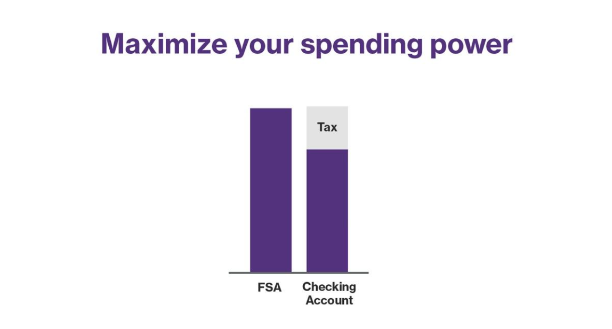
#4 Maximize your spending power
HSA funds can be used for qualified medical expenses tax-free. This includes a wide range of healthcare expenses and items available at the HSA Store.
#5 Create a healthcare emergency safety net
A survey by ValuePenguin found that many Americans are unprepared for unexpected medical bills. Unlike a Flexible Spending Account (FSA) and an HSA, HSA funds roll over year after year, building a safety net for healthcare emergencies.
#6 Invest your HSA in low-cost mutual funds
Many HSA members choose to invest their HSA to take advantage of compounding returns. The S&P 500 has on average returned 10% annually over the long term.
#7 Save for healthcare expenses in retirement
Your HSA can work alongside your 401(k) as one of the best accounts for saving for retirement. Recent estimates from Investopedia suggest a retired couple may need $315,000 or more for healthcare in retirement.
#8 Delay reimbursement to capitalize on tax-free account growth
Because of the HSA's triple tax efficiency, you can pay out of pocket now and reimburse yourself later, letting your HSA investments grow tax-free.
#9 Gift health savings to your heirs
HSAs don't have payroll taxes or required minimum distributions. You can designate a beneficiary and pass your HSA balance to your spouse or heirs.
#10 Impress friends and family with your personal finance savvy
Use your HSA for qualified medical expenses, log in to your HealthEquity account to manage your benefits, and to open a new HSA, click here. Visit the Help Center or the HSA Store for more information.